
Specialty Mushrooms: How Retail Buyers Can Build a Better Shelf
Specialty mushrooms are still a smaller category than white and brown mushrooms, but the right shelf strategy can help buyers test premium packs, organic positioning, and recipe-led demand.
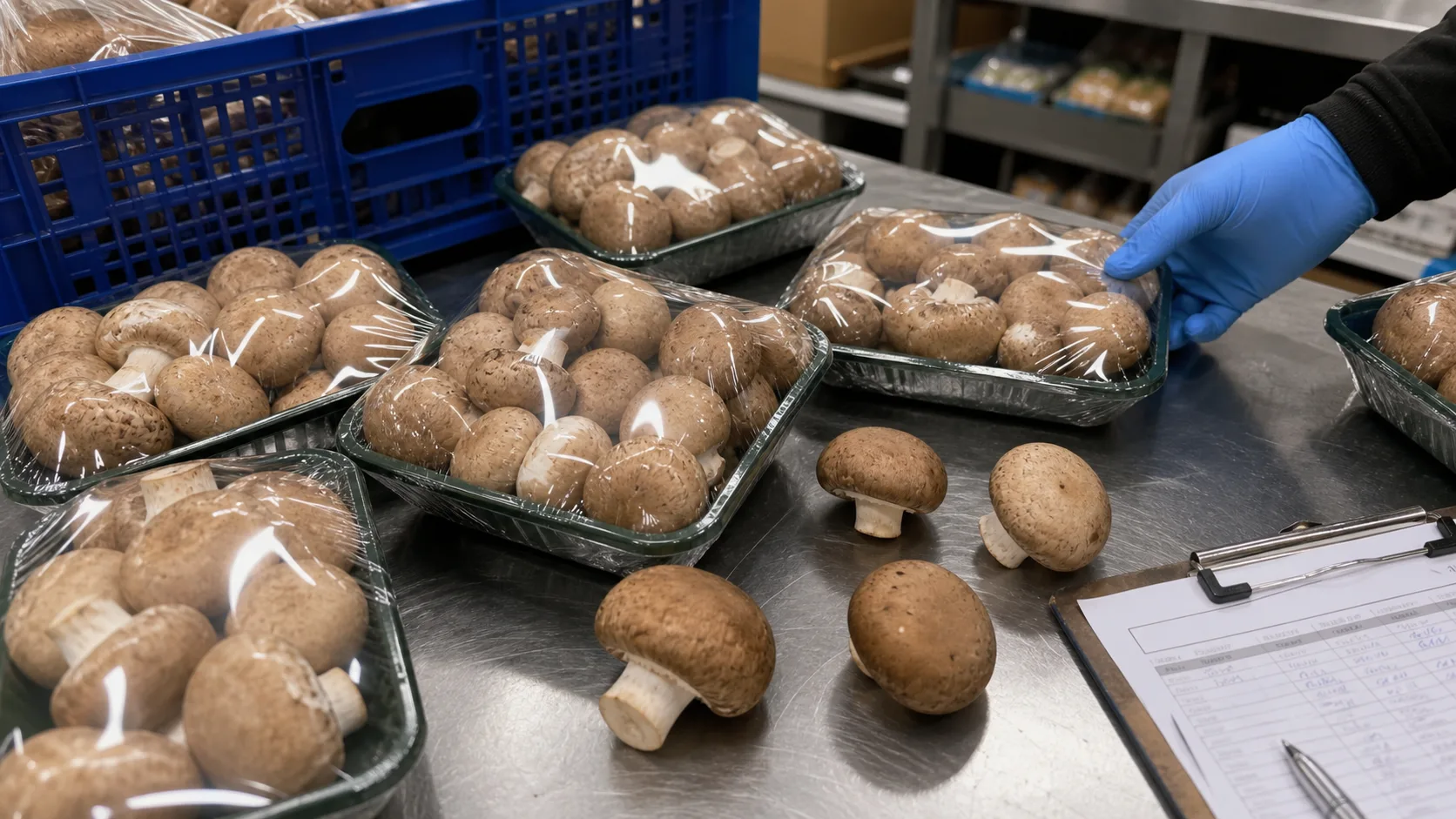
Specialty does not mean confusing
Retail buyers can make specialty mushrooms easier to buy by grouping products by use case. Brown and cremini mushrooms can sit near everyday cooking needs. Portobello mushrooms can support grilling and plant-forward meals. Dried mushrooms can be merchandised near soup, broth, sauce, or seasoning occasions. The goal is to help shoppers understand why a product exists, not simply add more SKUs.
Pack size should match the shopper mission
A premium mushroom pack can fail if the size is wrong for the channel. Small retail packs work for trial and recipe-led purchases. Larger cartons or foodservice packs support kitchens that need prep efficiency. Importers should ask suppliers for pack photos, carton dimensions, label options, and shelf-life expectations before finalizing a new specialty mushroom item.
Organic and value-added products need extra clarity
If the product is organic, dried, seasoned, canned, sauced, or private-label, buyers should confirm certificate scope, ingredient list, storage method, shelf life, and label requirements. These details should be treated as part of the product, not as paperwork after the price is agreed.
Sources reviewed
Need a product-specific wholesale quote?
Send the target product, quantity, packing, destination, and document requirements so the RFQ discussion starts with the right details.
Request Wholesale Quote